
Home EV Charger UK Guide 2026: 7.6kW vs 11kW vs 22kW Smart EV Chargers
Choosing a home EV charger is really choosing how your electric vehicle fits into daily life. The right charger should make ownership feel calmer, cleaner and more predictable: plug in when you get home, schedule the session, protect access, monitor usage and wake up ready for the next journey.
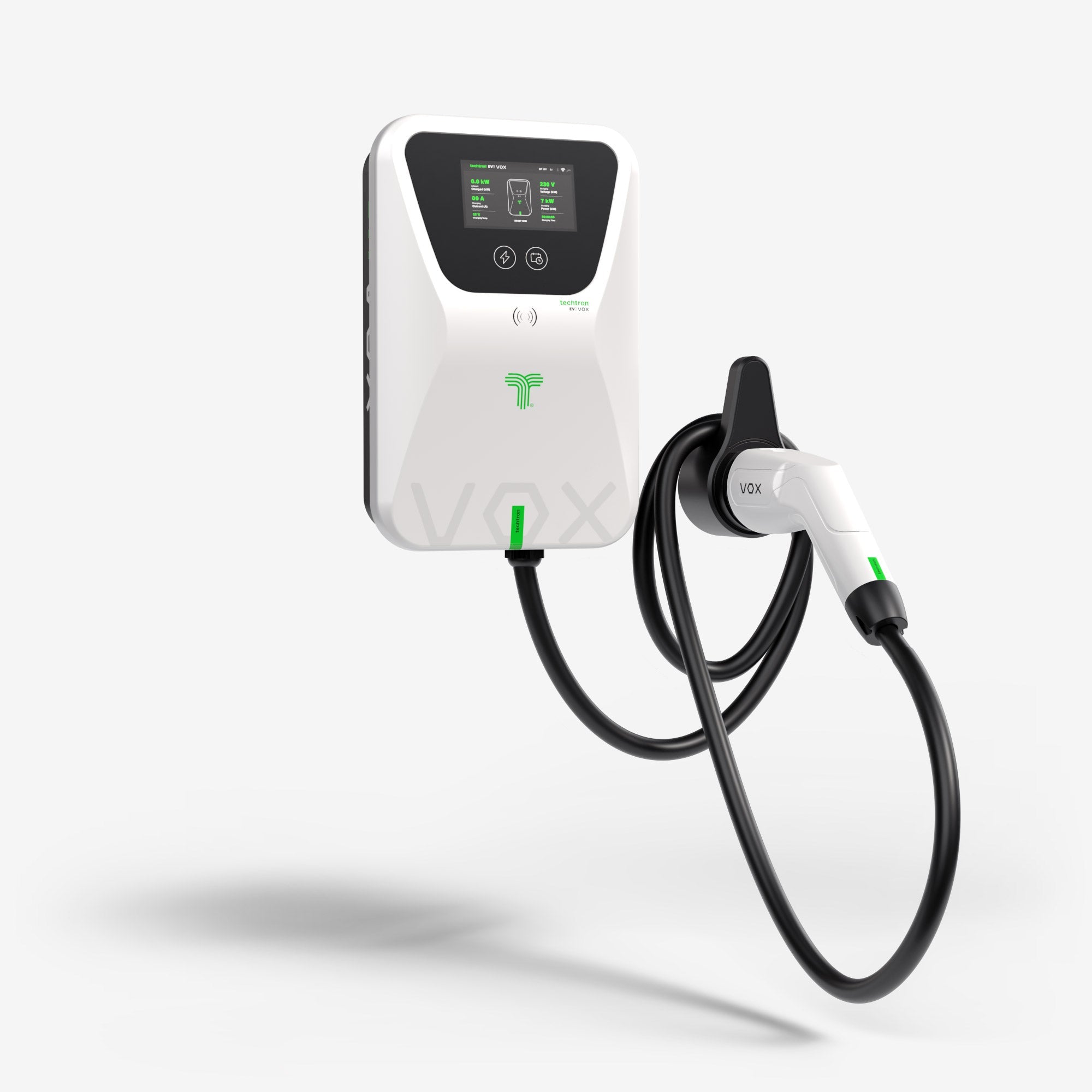
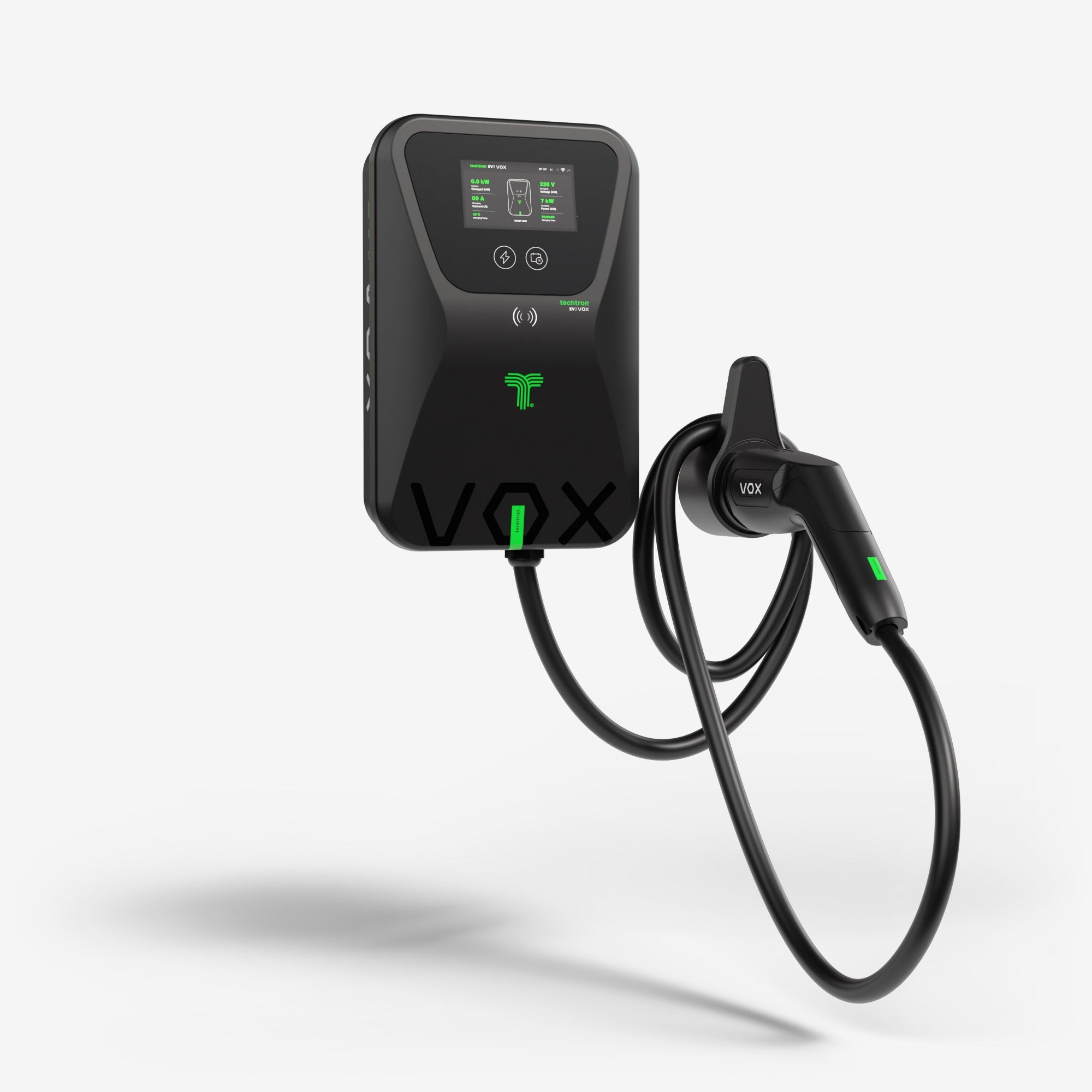
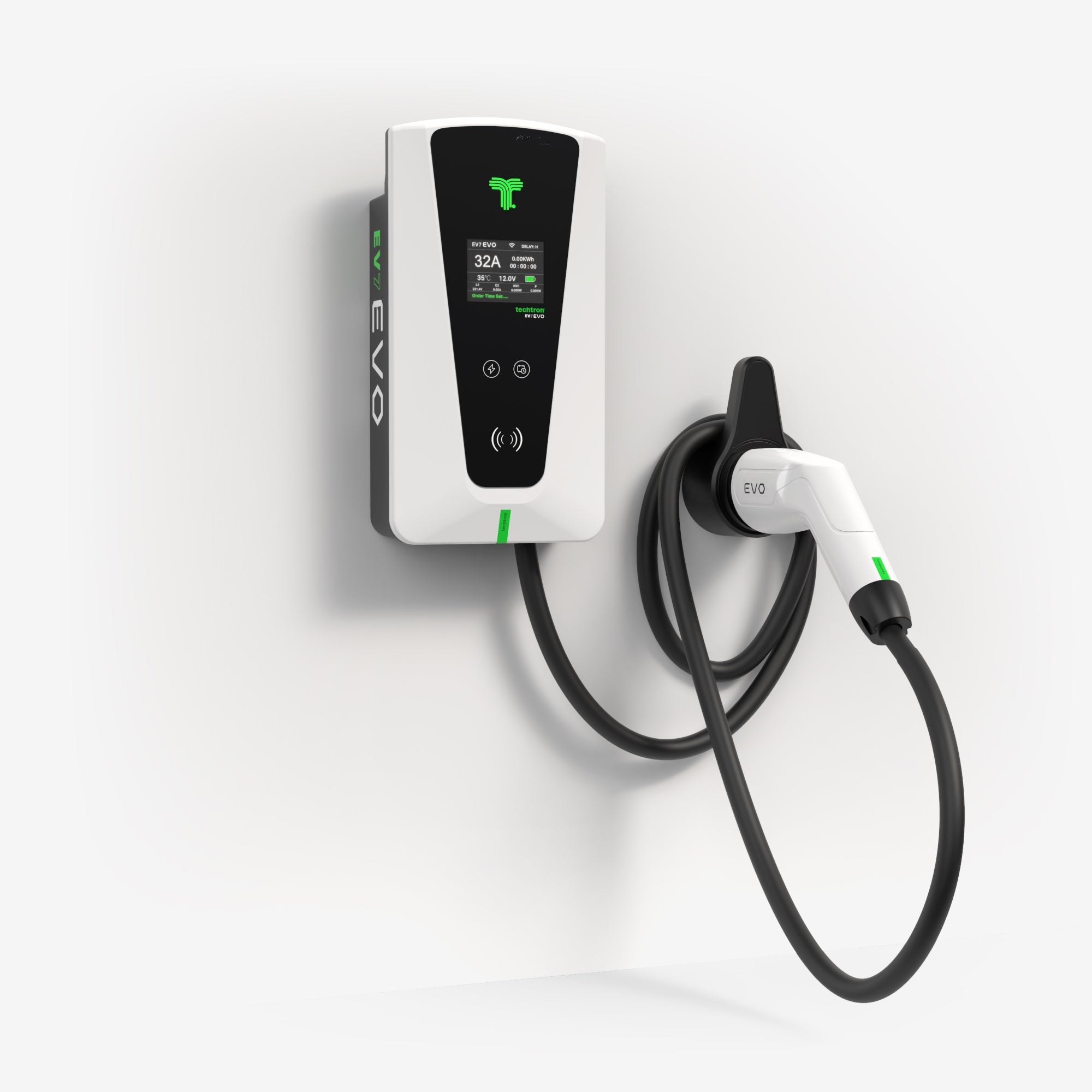
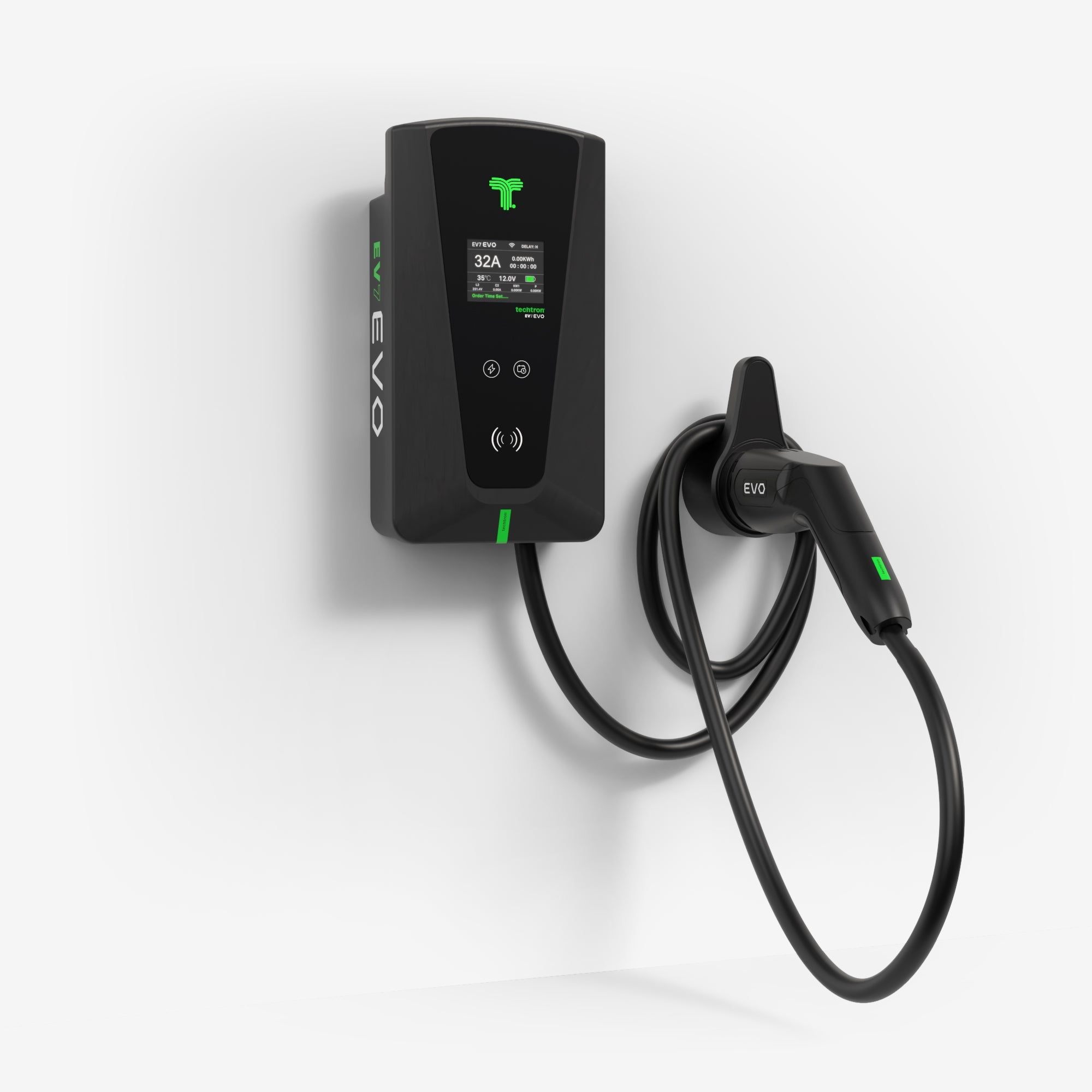
This guide explains how UK drivers can choose the right smart EV charger for their home, workplace, vehicle, energy tariff and future charging needs. It compares 7.6kW, 11kW and 22kW AC charging, explains when three-phase power matters, outlines key installation and grant considerations, and shows where the techtron® EVO range fits into the decision.
A strong EV charging setup should not add another layer of stress to ownership. It should remove friction. It should help drivers feel in control of range, timing, access, energy use and long-term infrastructure fit. That is the difference between buying a wallbox and building a smarter charging routine.
Key Takeaways
· 7.6kW is the practical home starting point: For most UK homes with single-phase electrical supply, a 7.6kW smart charger is usually the most suitable everyday charging option.
· 11kW and 22kW usually need three-phase supply: These chargers are more relevant for three-phase homes, workplaces, fleets and faster AC charging requirements.
· The vehicle still sets the real charging limit: A 22kW charger will only deliver 22kW where the vehicle, supply and installation configuration support that AC rate.
· Smart control is about confidence: Scheduling, app monitoring, RFID access and off-peak charging support help make charging easier to manage in real life.
· The techtron® EVO range is built around selection logic: EV7 EVO, EV11 EVO and EV22 EVO give drivers and businesses a clearer route from daily home charging to higher-output workplace charging.
· OZEV support is eligibility-based: Eligible customers may qualify for OZEV support subject to installer and property criteria.
Why Smart Home EV Charging Matters in 2026
Home charging is where EV ownership becomes simple. Public charging is useful for long journeys, but the strongest ownership experience normally comes from knowing the vehicle can be charged reliably where it is parked most often.
A smart charger turns a driveway, garage or parking bay into a controlled energy point. It helps the driver decide when to charge, who can access the charger, how sessions are monitored and how charging fits around tariff windows and daily routines.
In Great Britain, smart charge point regulations require private charge points sold for domestic or workplace use to include smart functionality, helping charging take place when demand is lower or renewable electricity is more available. For buyers, this means smart charging is no longer just a feature label. It is part of how modern EV ownership should work.
A premium EV charger decision is not only about speed. It is about reducing friction. The ideal charger should feel like part of the home and energy routine: visible when you need control, quiet when you do not, and reliable enough to become part of everyday life.
7.6kW vs 11kW vs 22kW EV Chargers Compared
|
Model |
Power |
Best For |
Supply Type |
Typical Charging Speed |
Recommended Use |
|
EV7 EVO |
7.6kW |
Most UK homes |
Single phase |
Overnight charging |
Daily residential charging |
|
EV11 EVO |
11kW |
Three-phase homes/workplaces |
Three phase |
Faster turnaround |
Mixed residential/commercial |
|
EV22 EVO |
22kW |
Commercial/fleet |
Three phase |
High-speed AC charging |
Workplace/fleet charging |
The strongest buying decision is not always the highest power option. It is the charger that matches the property supply, vehicle limit, daily usage and installation environment. That is why a clear 7.6kW, 11kW and 22kW comparison matters before purchase.
7.6kW EV Chargers for UK Homes
For most UK households, a 7.6kW single-phase smart EV charger is the most practical and cost-effective starting point. It is designed for regular overnight charging and suits drivers who mainly need the car ready each morning rather than rapidly turned around several times per day.
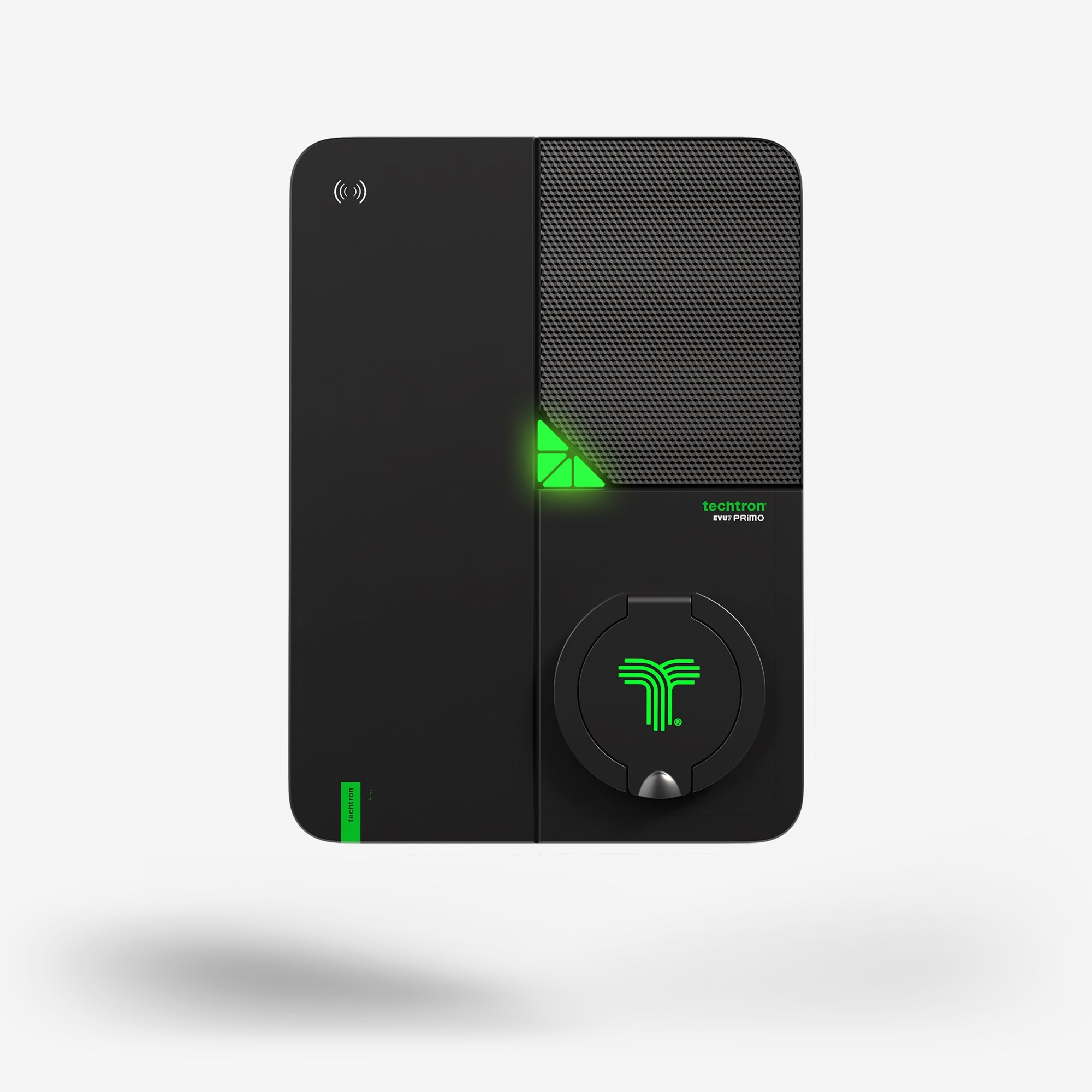
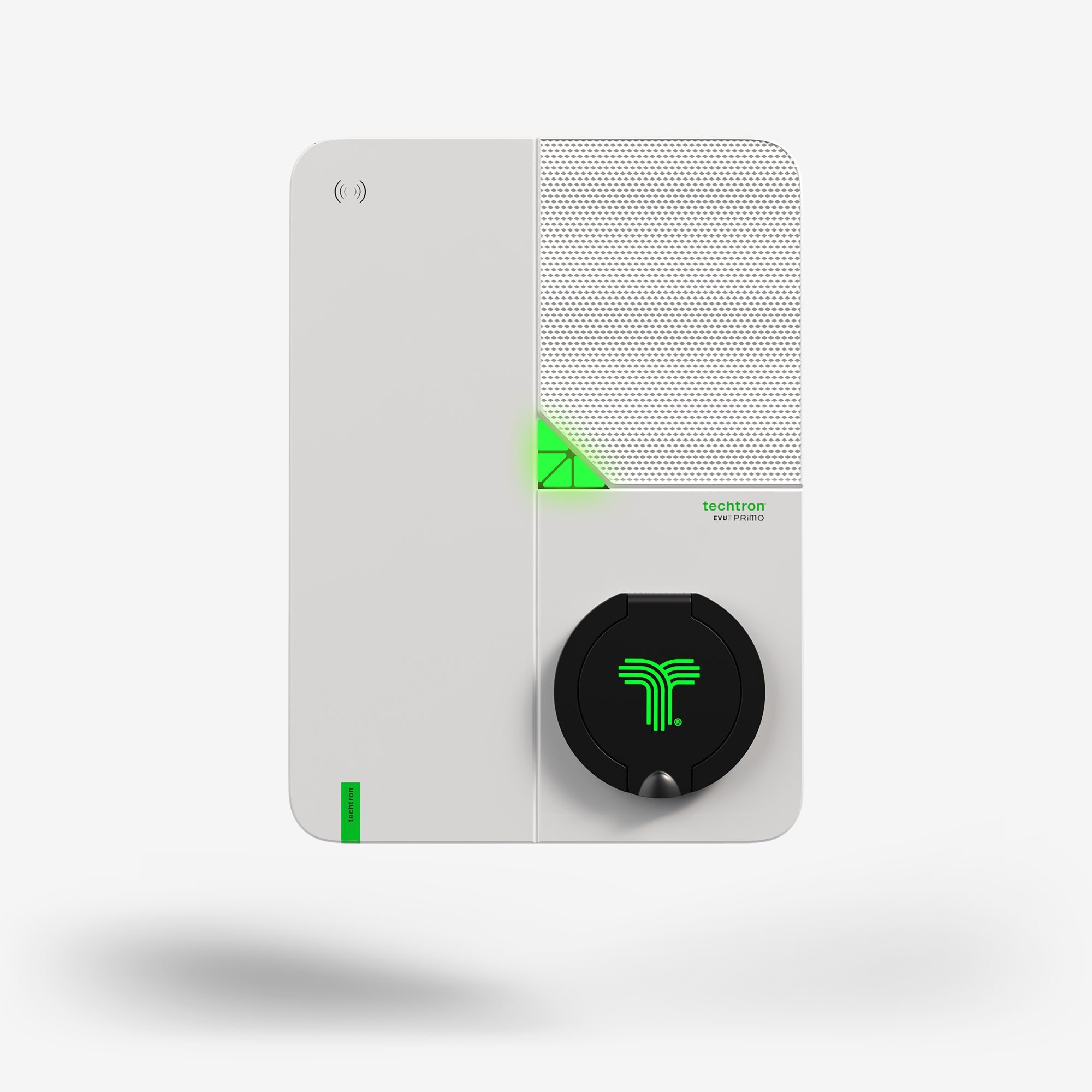
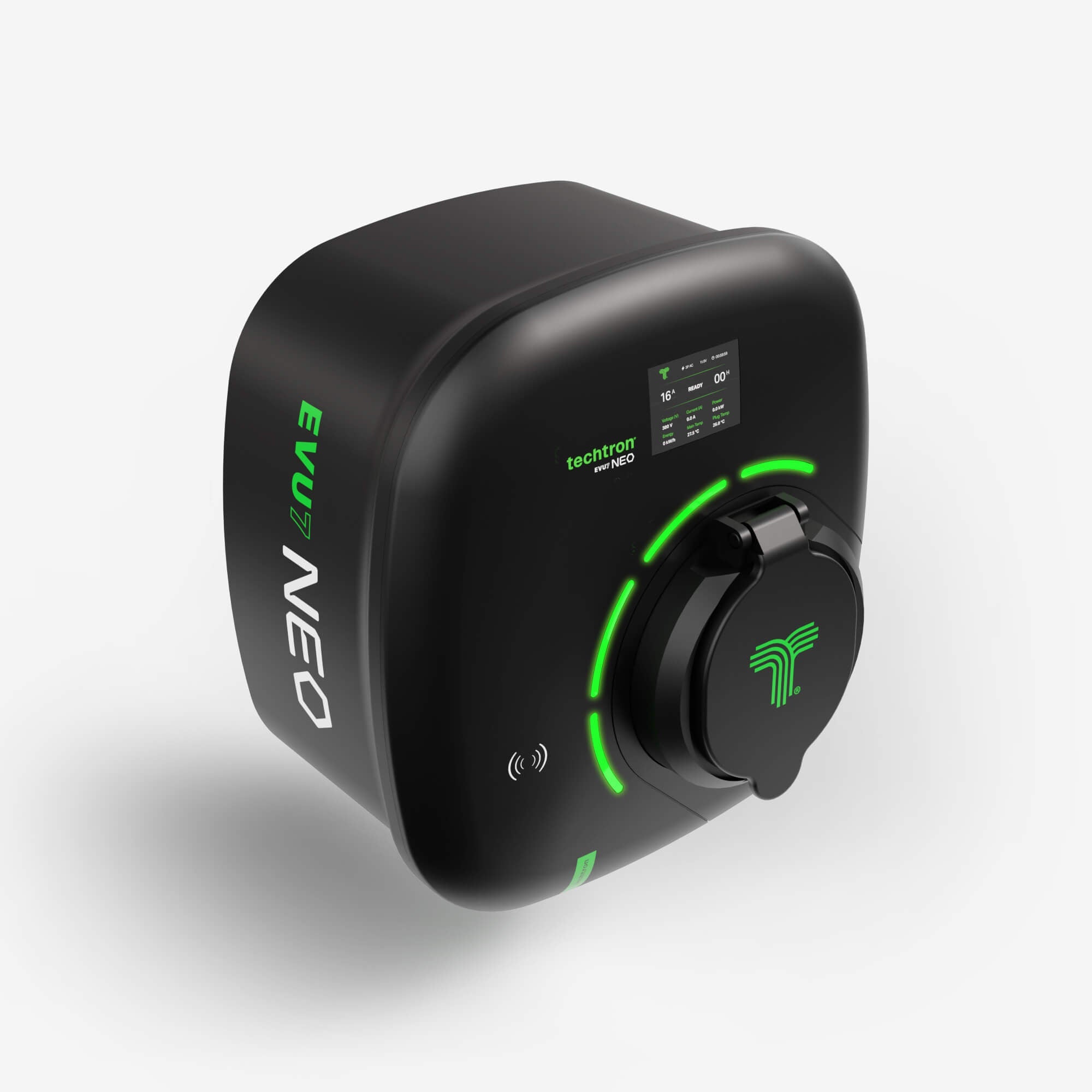
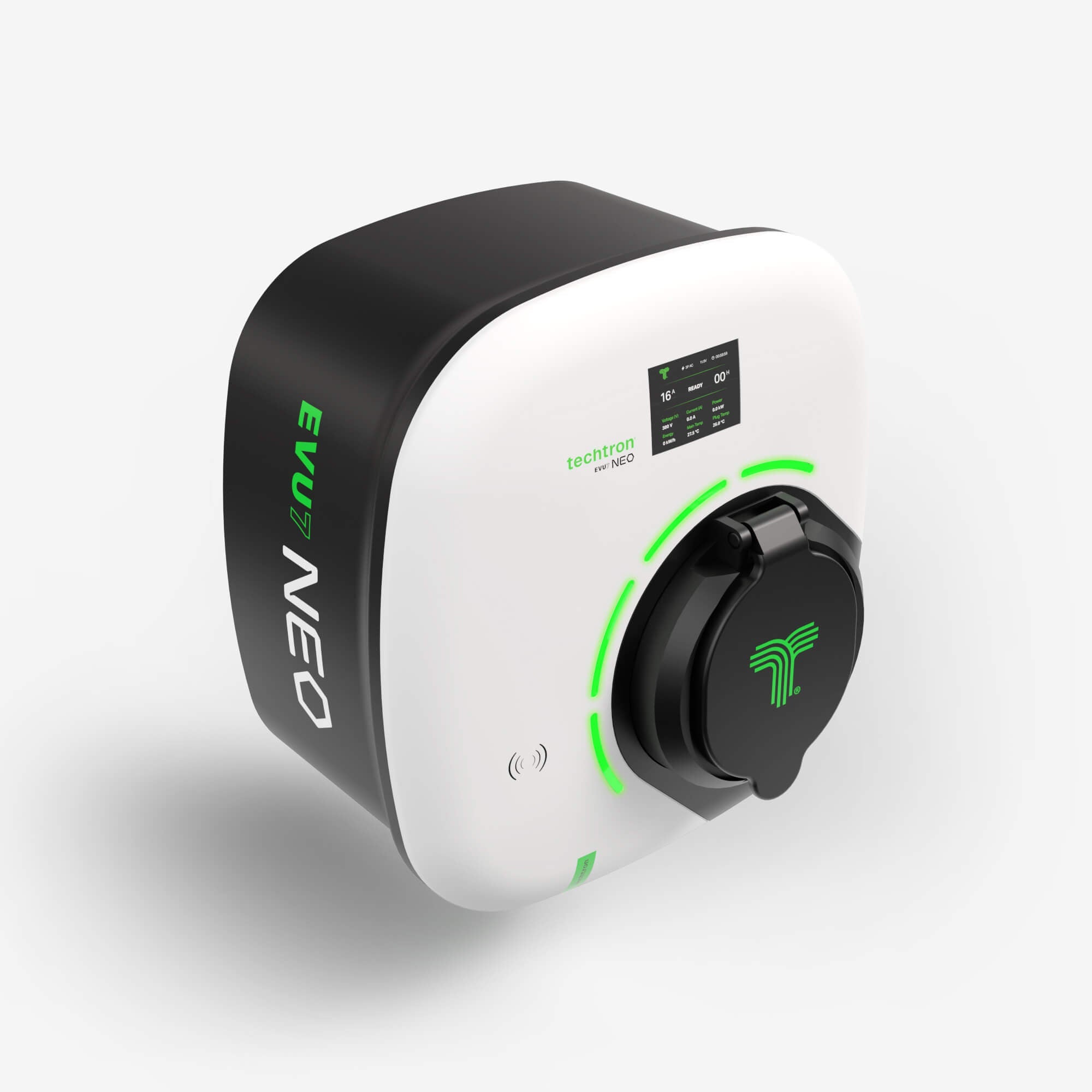
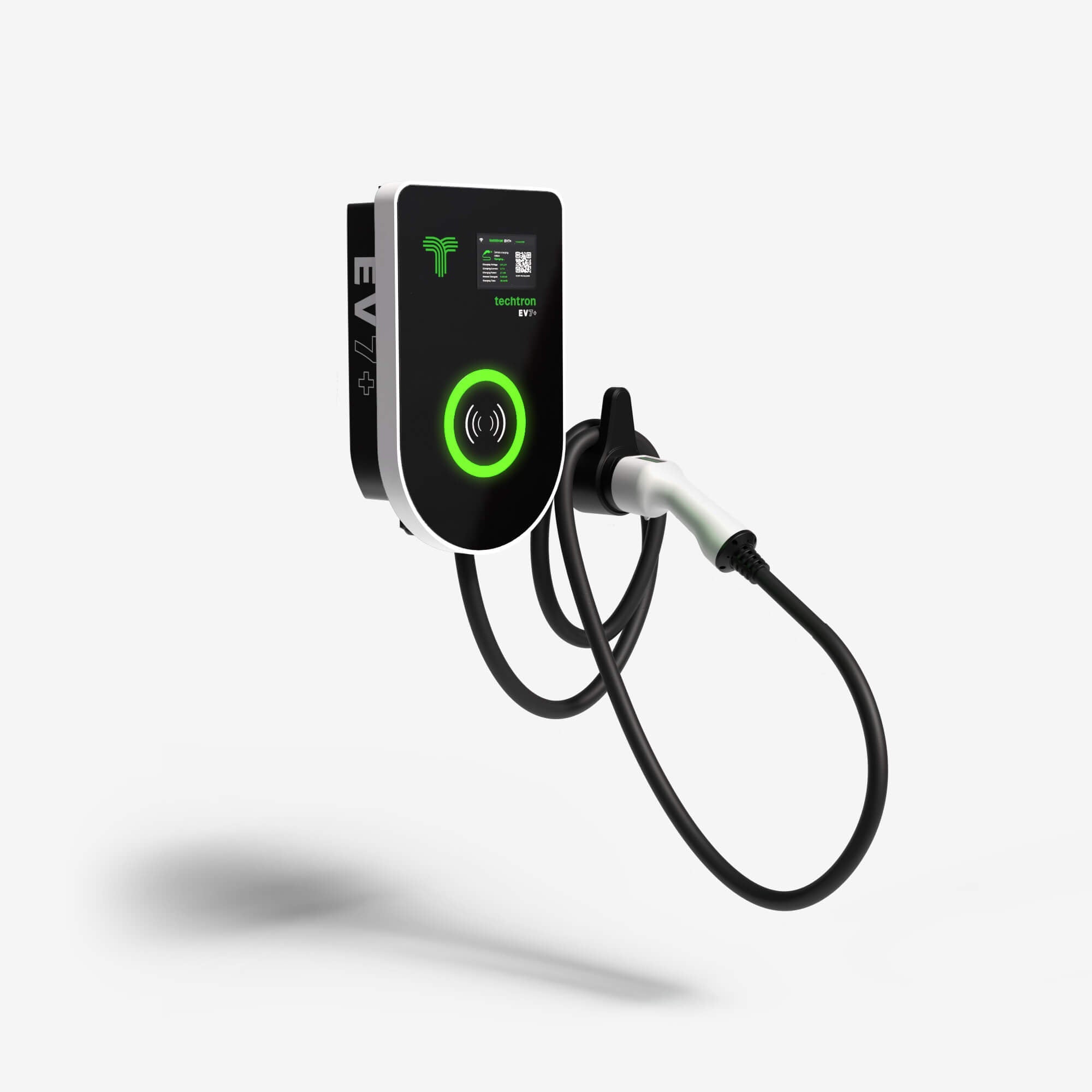
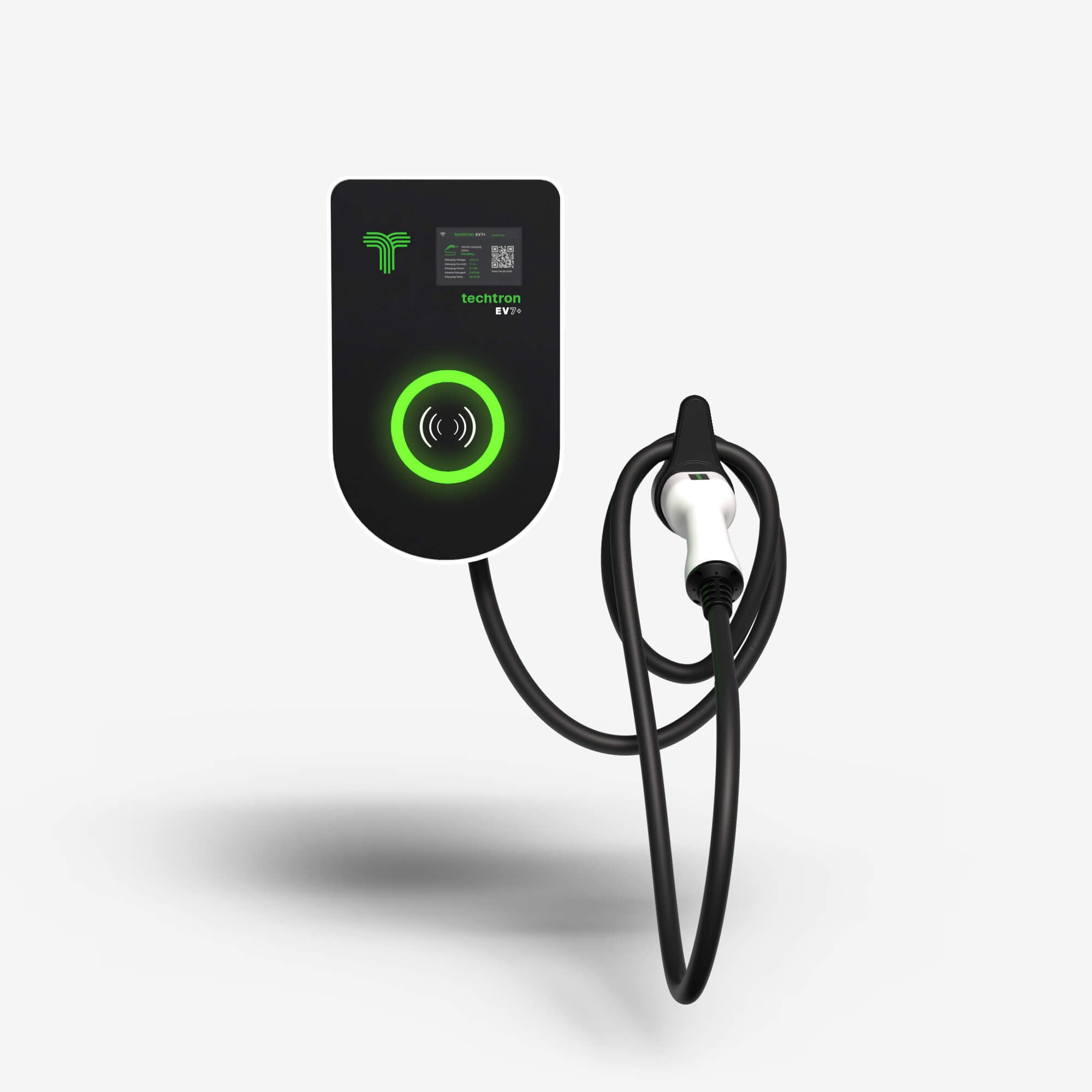
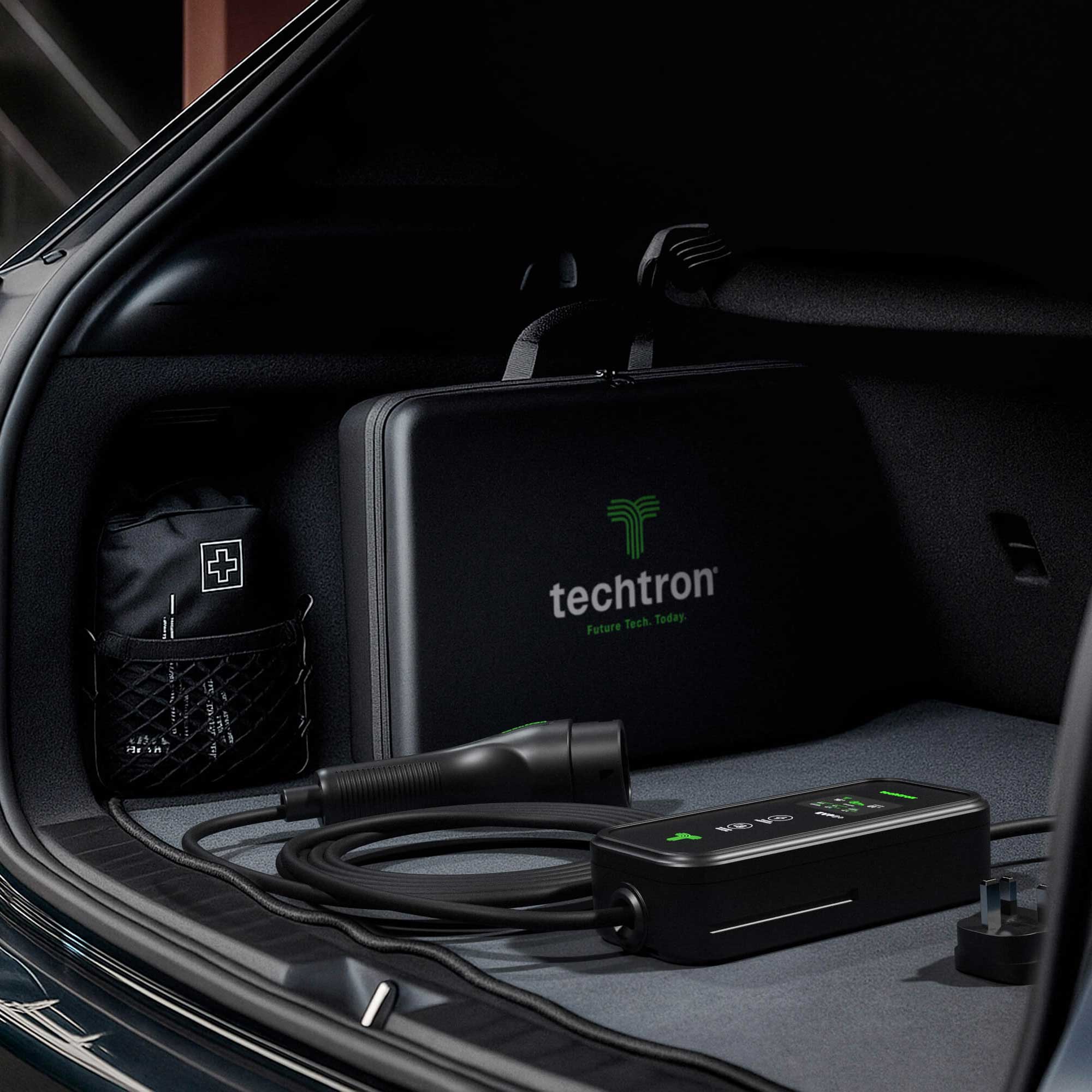
The techtron® EV7 EVO is positioned for this daily ownership use case. It suits drivers comparing smart home EV chargers where app control, Type 2 compatibility, RFID access, a clear display and controlled charging routines matter.
This is the charger choice for drivers who want charging to become simple: arrive home, plug in, schedule around the right time window and start the next day with confidence.
11kW EV Chargers for Three-Phase Properties
An 11kW EV charger can reduce charging time compared with a typical single-phase home charger, but it normally requires a three-phase supply. That makes it more relevant for three-phase homes, small businesses, workshops, residential developments and locations where the vehicle needs faster AC top-ups.
The techtron® EV11 EVO is a strong option where a property already has suitable three-phase electrical infrastructure or where a qualified installer confirms the supply can support the load safely.
For the right site, 11kW creates a useful middle ground: more charging flexibility than a standard home setup without moving straight into a full workplace or fleet-led charging environment.
22kW EV Chargers for Workplaces and Commercial Sites
A 22kW AC charger is generally a commercial, workplace or fleet-led choice. It is useful where vehicles rotate through parking bays, staff need faster turnaround, visitors expect practical charging access, or a business wants to build a more future-ready charging setup.
The techtron® EV22 EVO is designed for higher-output AC charging environments, subject to vehicle compatibility, three-phase supply and professional electrical assessment. For workplaces, fleet depots and commercial properties, this can create a more practical charging experience than relying only on lower-power residential hardware.
The commercial value is not just speed. It is site confidence: better bay turnaround, controlled access, clearer charging visibility and a charger choice that fits a higher-use environment.
Which techtron EVO Charger Is Right for You?
The techtron® EVO range should be viewed as a charging pathway, not three disconnected wallboxes. EV7 EVO supports everyday residential charging. EV11 EVO supports three-phase homes and mixed-use properties. EV22 EVO supports higher-output commercial and fleet-led charging.
|
Buyer Situation |
Recommended Direction |
Why It Fits |
Primary CTA |
|
Standard UK home with single-phase supply |
EV7 EVO |
Best fit for most daily home charging routines and overnight use. |
View EV7 EVO |
|
Three-phase home or small workplace |
EV11 EVO |
Better for faster AC charging where the electrical supply and vehicle support it. |
Compare EV11 EVO |
|
Workplace, fleet, commercial parking or high-use site |
EV22 EVO |
Suitable for higher-output AC charging and faster bay turnaround. |
Assess EV22 EVO |
|
Driver focused on charging control |
EVO range with Smart App |
Supports scheduling, monitoring and more controlled charging routines. |
Explore Smart App control |
|
Shared parking or workplace access |
EVO range with RFID |
Helps control charger access and reduce unauthorised use. |
Compare access-control features |
The techtron EVO Ecosystem Advantage
Many EV charger pages focus on isolated features: app control, solar compatibility, tariff settings or design. Those features matter, but they do not solve the whole buying decision.
techtron® should position the EVO range around system fit. The buyer is not only choosing a charger. They are choosing the charging layer that connects their vehicle, property supply, access needs, energy routine and future upgrade path.
· Home-to-workplace continuity: EV7 EVO, EV11 EVO and EV22 EVO create a clearer model ladder from daily residential charging to workplace and fleet use.
· Control without complexity: Smart App visibility, RFID access and LCD status give practical control without forcing buyers into an overcomplicated decision.
· Infrastructure-led selection: The range encourages users to choose based on electrical supply, vehicle capability and use case rather than headline power alone.
· Future-ready ownership: The structure supports buyers who may begin with home charging today and later need workplace, fleet or higher-output AC charging.
EV Charger Installation Cost UK
EV charger installation cost in the UK varies because every property is different. The final quote can depend on cable route length, consumer unit condition, earthing arrangement, load management requirements, surge protection, installation height, parking location, additional groundworks and whether a three-phase connection is already available.
A simple installation on a suitable wall near the power supply will normally be more straightforward than a long cable run, detached garage installation or commercial multi-charger project. For 11kW and 22kW chargers, the installer must also confirm that the three-phase supply, protective devices and site capacity are suitable.
This is where buyer confidence is built. A stronger purchase journey should help the customer answer four questions before choosing: Will this charger fit my property? Will my vehicle use this power level? Will installation be straightforward? Will the charger support my charging routine long term?
Before buying, UK drivers should request a professional installation survey or fixed quote. The most important question is not only "How much is the charger?" but "Is this charger correctly specified for my property, vehicle and usage pattern?"
OZEV Grants and Eligibility
OZEV grants can reduce the cost of eligible EV chargepoint installations, but they are not a universal discount for every homeowner. Eligibility depends on the grant type, property situation, vehicle eligibility, parking setup and installer requirements.
Eligible customers may qualify for OZEV support subject to installer and property criteria. Renters, flat owners, landlords, workplaces and certain on-street parking situations may need to follow different grant routes. Always check the latest official GOV.UK guidance before making a claim or publishing a fixed grant promise.
Because OZEV grant eligibility depends on the property, installer and current scheme rules, UK drivers should confirm eligibility before choosing an installation route.
Smart Charging, App Control and Off-Peak Energy Savings
Smart charging helps drivers control when and how their EV charges. This is important because many UK drivers want to use overnight or off-peak electricity windows, monitor session history, avoid unnecessary peak-time charging and understand charging behaviour over time.
The techtron® Smart App supports a more connected charging experience across techtron® devices, helping users manage charging with greater convenience and visibility. For EV charger buyers, this means the charger is not only wall-mounted hardware; it becomes part of the driver's daily energy routine.
The emotional value is simple: less thinking, more control. A smart charger should help the driver feel that charging is handled, not constantly managed.
Cost savings will depend on the driver's electricity tariff, vehicle battery size, charging schedule, usage pattern and installation. Instead of relying on fixed saving estimates, drivers should compare their tariff, charging schedule and vehicle usage to understand the realistic cost benefit of smart charging.
Installation, Safety and Electrical Requirements
EV chargers should be installed by a qualified electrician with experience in EV chargepoint installation. The installer should assess supply capacity, cable routing, protective devices, earthing, load management and whether any electrical upgrades are needed.
The techtron® EVO range includes smart control, RFID access and advanced multi-layer safety protection, helping support safer daily charging when selected, installed and used correctly.
For 11kW and 22kW installations, three-phase supply is normally required. Even then, the real-world charging speed depends on the vehicle onboard AC charger limit, site capacity and installer configuration.
A premium charger journey should never leave buyers guessing. The strongest experience is one where the customer understands the charger, the installer confirms the site and the product page clearly explains what the hardware can and cannot do.
Frequently Asked Questions
What is the best home EV charger in the UK in 2026?
The best home EV charger depends on your property, car, electrical supply and charging routine. For most UK homes, a 7.6kW single-phase smart charger is usually the most practical starting point. The techtron® EV7 EVO is a strong option for UK drivers comparing smart home EV chargers.
Is a 7.6kW EV charger enough for most UK homes?
Yes, for many UK drivers, a 7.6kW charger is suitable for overnight residential charging. It is commonly the right fit where the home has single-phase electrical supply and the driver wants the car ready for daily use.
Do I need three-phase power for an 11kW or 22kW EV charger?
In most cases, yes. 11kW and 22kW AC chargers generally require three-phase supply. A qualified electrician should confirm whether your property can support the charger safely.
How much does EV charger installation cost in the UK?
Installation cost varies by property. Factors include cable route, consumer unit condition, protection requirements, earthing, load management, parking location and whether three-phase supply is required. Always request a professional quote before purchase.
Can I claim an OZEV grant for a home EV charger?
Eligible customers may qualify for OZEV support subject to installer and property criteria. Check current GOV.UK guidance because grant rules vary for renters, flat owners, landlords, workplaces and on-street parking situations.
What is the difference between tethered and untethered EV chargers?
A tethered charger has a fixed cable attached to the wallbox. An untethered charger uses a separate cable, which can look tidier and offer flexibility if different cable types or lengths are needed.
Are techtron EVO chargers Type 2 compatible?
The European techtron® EVO models are designed around Type 2 AC charging. Always check your vehicle charging port, onboard AC charging limit and installation requirements before purchase.
Can smart EV chargers reduce charging costs?
Smart EV chargers can help drivers schedule charging during off-peak tariff windows where available. Actual savings depend on electricity tariff, vehicle usage, battery size and charging behaviour.
Do I need a qualified electrician to install an EV charger?
Yes. EV chargers should be installed by a qualified electrician who can assess the property supply, protection requirements, cable routing and compliance needs.
Which EV charger is best for workplaces?
Workplaces should normally compare 11kW and 22kW three-phase chargers, depending on site capacity, charging demand, vehicle turnaround and parking layout. The techtron® EV22 EVO is suitable for commercial and fleet-led AC charging requirements where the supply supports it.
Explore techtron EVO Smart EV Chargers
The right EV charger should fit your property, your vehicle and your charging routine. For most UK homes, start by comparing the EV7 EVO. For three-phase homes or mixed-use sites, compare the EV11 EVO. For workplace, commercial and fleet requirements, assess the EV22 EVO with a qualified installer.
If you want everyday home charging confidence, start with EV7 EVO. If your property has three-phase power, compare EV11 EVO. If you are planning workplace, fleet or commercial AC charging, assess EV22 EVO.
Compare techtron® EVO Smart EV Chargers | Shop EV chargers | Understand OZEV eligibility | Read the installation guide